A Primary Care Physician Answers Commonly Asked Questions About STD Testing
STD testing is one of the most vital things that you can do to protect your health if you are sexually active. You should be prepared to have an honest and open discussion with a doctor about your sexual and testing history. Most insurance providers cover the testing.
Countless STD testing centers provide confidentiality if you feel uncomfortable talking to your regular doctor. Many of these clinics provide low-cost or free testing services. The Centers for Disease Control and Prevention (CDC) recommends sexually active people get tested at least once a year.
Frequently asked questions about STD testing
Many patients are thinking about getting an STD test, so let us go over a few of the questions that they might have.
1. What goes on during STD testing?
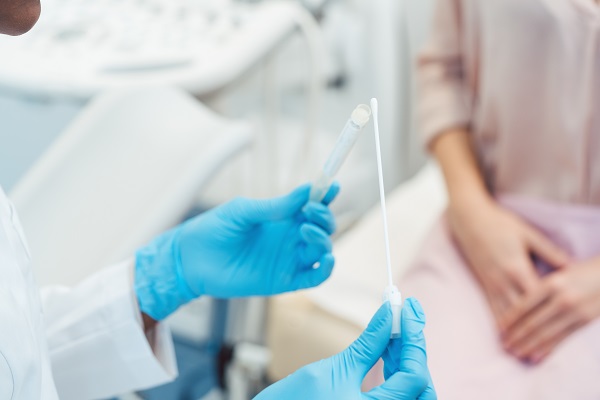
STD tests might involve looking for things like syphilis, HIV, chlamydia, and gonorrhea. For patients with no symptoms, STD testing typically involves providing a blood sample, urine sample, or both. Blood samples can be used to test for STIs like syphilis and HIV, while urine samples can be used to test for chlamydia and gonorrhea.
For patients with symptoms, a clinician will evaluate their symptoms and swab symptomatic regions for further testing. They might also be asked to provide urine and/or blood samples. Clinicians can typically diagnose STDs based on a patient’s symptoms and a physical evaluation, but these tests help ensure that their assessment is correct. Appropriate treatment can then be carried out.
2. How long will it take to get results?
Most patients receive the results of their tests within five to 10 days. The clinic notifies patients about the results of any tests ordered, and they might be asked to come in for treatment if the results show that they have an STI.
3. How often should I be tested for STDs?
Anyone sexually active should look to get tested for STDs at least once yearly, even if they are in monogamous relationships. People who have multiple sex partners should get tested before taking on new partners.
If a patient does not get tested before being intimate with a new partner, they should try to get tested about 10 days afterward. That is about the time that it takes for new infections to appear on STD tests.
Anyone who shows symptoms of an STD should get tested immediately. Some STDs share symptoms with other health issues, so the only way to know for sure is to get tested.
4. Do regular STD tests check for herpes?
No, the typical STD test only looks for STIs like syphilis, HIV, and chlamydia. The CDC does not recommend testing patients with no symptoms of herpes. Anyone who thinks that they have been exposed to herpes should inform the clinician, so they can be explicitly tested for it.
5. Can STDs be cured if my tests are positive?
Many STDs, like chlamydia, gonorrhea, and syphilis, can be cured with antibiotics, but these treatments typically work best in the early stages of the infection. Hepatitis C can be cured with antiviral drugs. Other STDs, like hepatitis B, HIV, and herpes, cannot be cured, but they can be effectively managed with treatment. People with uncurable STDs can still have normal healthy lives with appropriate treatments.
We are here to help
Do you need STD testing? Give us a call or visit our Pembroke Pines to set up an appointment.
Request an appointment here: https://Southfloridadoctorsgroup.com or call South Florida Doctors Group at (954) 905-2432 for an appointment in our Pembroke Pines office.
Check out what others are saying about our services on Yelp: STD testing in Pembroke Pines, FL.
Recent Posts
A school physical exam ensures students meet health requirements and start the year ready to learn. This visit provides a preventive snapshot of growth, development, and risk factors while building a strong partnership with the care team. Families can expect a stepwise process that evaluates readiness for classes, athletics, and extracurricular activities.The appointment begins with…
Diabetes treatment works best when it fits daily life, health goals, and personal preferences. A tailored plan helps manage blood glucose, protects the heart and kidneys, and supports steady energy. Primary care teams guide choices at each step, from early diagnosis to long-term maintenance and preventive screenings. Understanding the core factors behind diabetes treatment can…
The right high blood pressure treatment helps protect long-term cardiovascular wellness and improve daily energy levels. This condition often develops quietly over many years without causing obvious warning signs, sudden headaches, or immediate physical discomfort. A primary care provider acts as a supportive guide, helping patients navigate the various medical and lifestyle choices available for…
Commencing a new health journey often requires professional guidance to ensure that a weight loss treatment remains sustainable and aligned with the physiological needs of the individual. While many people attempt to manage body mass independently, a clinical approach provides a structured framework that prioritizes overall wellness. A clinical evaluation typically begins with a thorough…