How School Physical Exams Help Monitor Development and Health
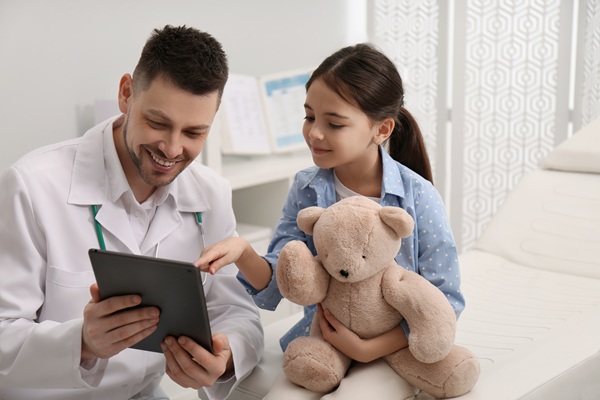
A school physical exam tracks a child's growth and ensures they are healthy enough to succeed in school. These exams evaluate both physical and emotional development, helping parents and providers identify concerns before they affect daily life. Attending these exams each year can help children stay on track as they grow and meet new challenges in school and beyond.
Monitoring growth and development
During a school physical exam, providers measure height, weight, and body mass index (BMI) to monitor growth patterns over time. These numbers show whether a child is developing at a healthy rate for their age and gender. If there are any noticeable changes—such as a weight drop or slower height growth—the provider can look for underlying causes and recommend adjustments. The exam also includes checks of the heart, lungs, abdomen, and reflexes to confirm that body systems are functioning properly.
School physical exams also allow the provider to discuss nutrition and sleep habits, which directly affect development and energy levels. By understanding how lifestyle choices impact health, families can make small, positive changes that improve focus, learning, and mood.
Screening for vision, hearing, and posture
A key part of a school physical exam involves testing a child's vision and hearing. While these screenings are not as in-depth as those conducted by an eye care specialist, they ensure that minor issues, such as mild nearsightedness or hearing loss, do not interfere with classroom learning. Children who cannot see the board or hear instructions clearly may struggle academically, even if they appear attentive. Therefore, detecting these problems early makes it easier to correct them with glasses, hearing aids, or simple accommodations.
Further, the provider will also evaluate the child's posture and flexibility during the exam. Poor posture or musculoskeletal imbalances may lead to discomfort or reduced coordination during sports and physical activity. If necessary, the provider can suggest stretching or strengthening exercises to improve alignment, prevent strain, and support the child's overall development.
Supporting safe and active participation in sports
Before participating in organized sports, many schools require a current physical exam. This ensures that children are physically ready for activity and reduces the risk of injury. The provider evaluates cardiovascular endurance, joint health, and muscle strength to confirm that the student can safely meet athletic demands. They also review any existing conditions, such as asthma or allergies, to create a care plan that keeps students safe while staying active.
Encouraging preventive health habits
A school physical exam is also a teaching moment that reinforces preventive care. Providers often discuss topics like healthy eating, hydration, and dental hygiene, empowering children to take ownership of their well-being. Conversations about mental health, screen time, and social development are equally important, as they help parents recognize signs of stress or anxiety early.
Moreover, immunizations are another vital part of the visit. United States public schools require certain vaccinations for admission. However, some sports or extracurricular activities may require specific ones as well. Regardless, keeping up to date with vaccines not only protects the individual child but also helps maintain community health by preventing the spread of illness in schools.
Schedule an exam
A school physical exam is more than a yearly requirement—it is a cornerstone of lifelong wellness. It helps detect potential concerns early, encourages healthy habits, and ensures each child is prepared to learn and grow in a supportive environment. To schedule your child's school physical, contact South Florida Doctors Group today.
Request an appointment here: https://Southfloridadoctorsgroup.com or call South Florida Doctors Group at (954) 905-2432 for an appointment in our Pembroke Pines office.
Check out what others are saying about our services on Yelp: Read our Yelp reviews.
Recent Posts
Curious about what travel immunizations you may need for an upcoming trip? Read on to learn more. Travelers often encounter health problems they would not normally encounter at home. To lessen the likelihood of contracting a life-threatening illness on your trip, research in advance what travel immunizations are required or advised for the area of…
At a family nurse practitioner's office, individuals of all ages and health problems can get access to a comprehensive option of basic health care services. A nurse practitioner has undergone the education required to provide patient care. They are well-equipped to handle most patients' medical requirements. Family nurse practitioners (FNPs), like doctors, can examine patients…
General practitioners, or family doctor, complete professional training to care for patients of varying ages. They are a great resource for various medical services and help patients build trusting relationships with their providers. These are just some of the many reasons to establish care with a family doctor. However, to reap the full benefits of…
Your primary care doctor should be one of your most important resources for your health and wellness. You can visit the family doctor when you are sick or have suffered injuries. The doctor is also available to help with mental health needs. Because smoking is linked to various health problems, your doctor is concerned if…